
By Sachit Subba • Off-Field • Oct 04, 2026 14:35 PM • 236 views
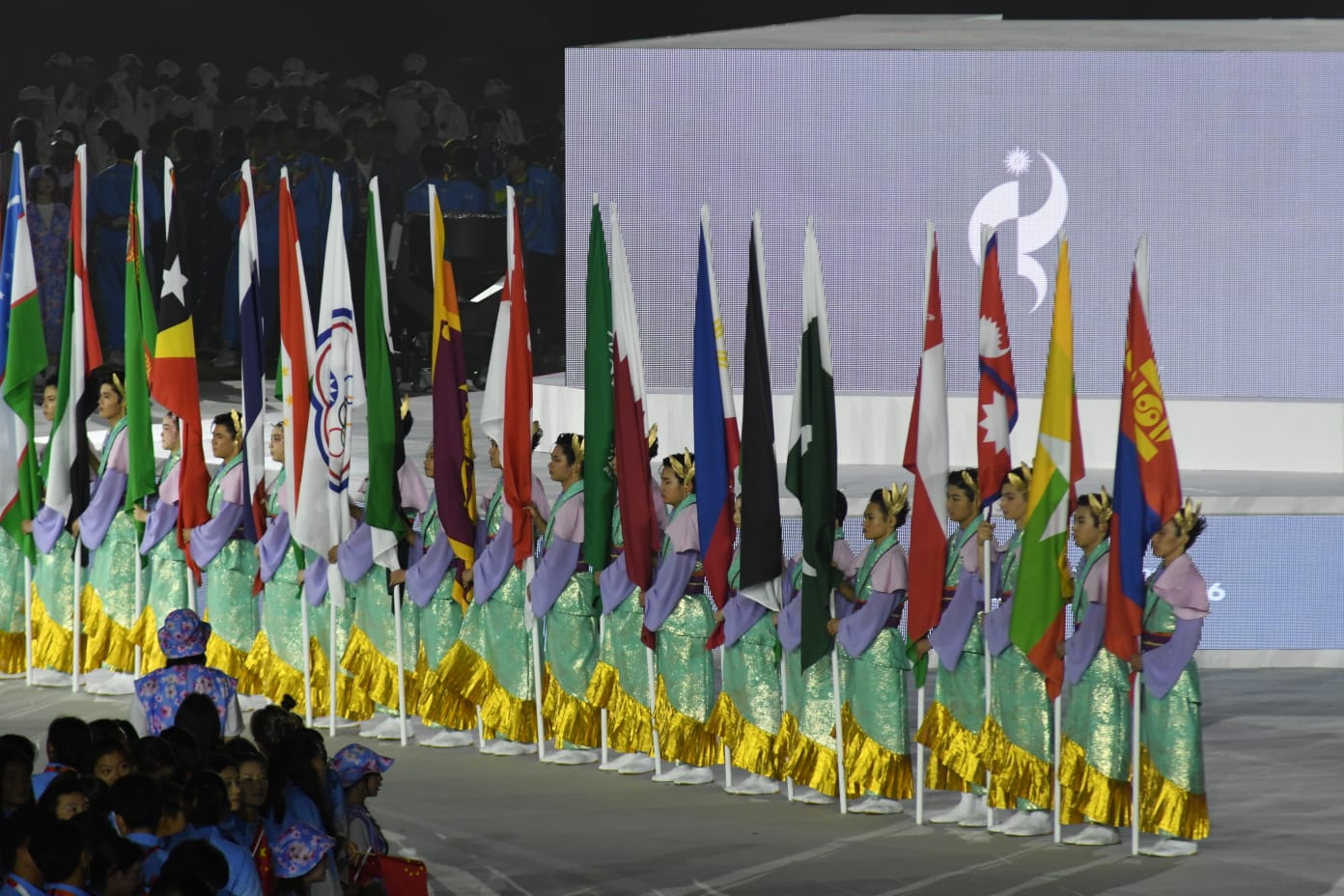
The 20th Asian Games held in Nagoya have now come to an end. The 16-day event has left behind a record of broken records, a low-cost method of hosting, and considerable regional inequalities. China kept complete control of the continent by winning 169 gold medals and 341 medals in total among the top three positions. Japan, the host country, came in second place with 83 gold medals, while South Korea completed the top three with 39 gold medals.
The Olympic Council of Asia named two remarkable new stars as its Most Valuable Players of the tournament. Twenty-year-old Thai sprinter Puripol Boonson won the men's award as a result of his outstanding performance on the track. In the 100 metre final he achieved a time of 9.90 seconds, thereby setting a new Asian Games record. He then went on to win the 200 metre event with a time of 19.88 seconds and secured a silver medal in the mixed 4x100 metre relay.
On the women's side, 13-year-old Chinese swimming star Yu Zidi was awarded the MVP. She won three gold medals, set new Asian Games records in the 200 metre butterfly and the 400 metre individual medley, and also set an Asian record in the 200 metre individual medley. Both athletes had built up considerable momentum in the run-up to the upcoming Los Angeles Olympics.
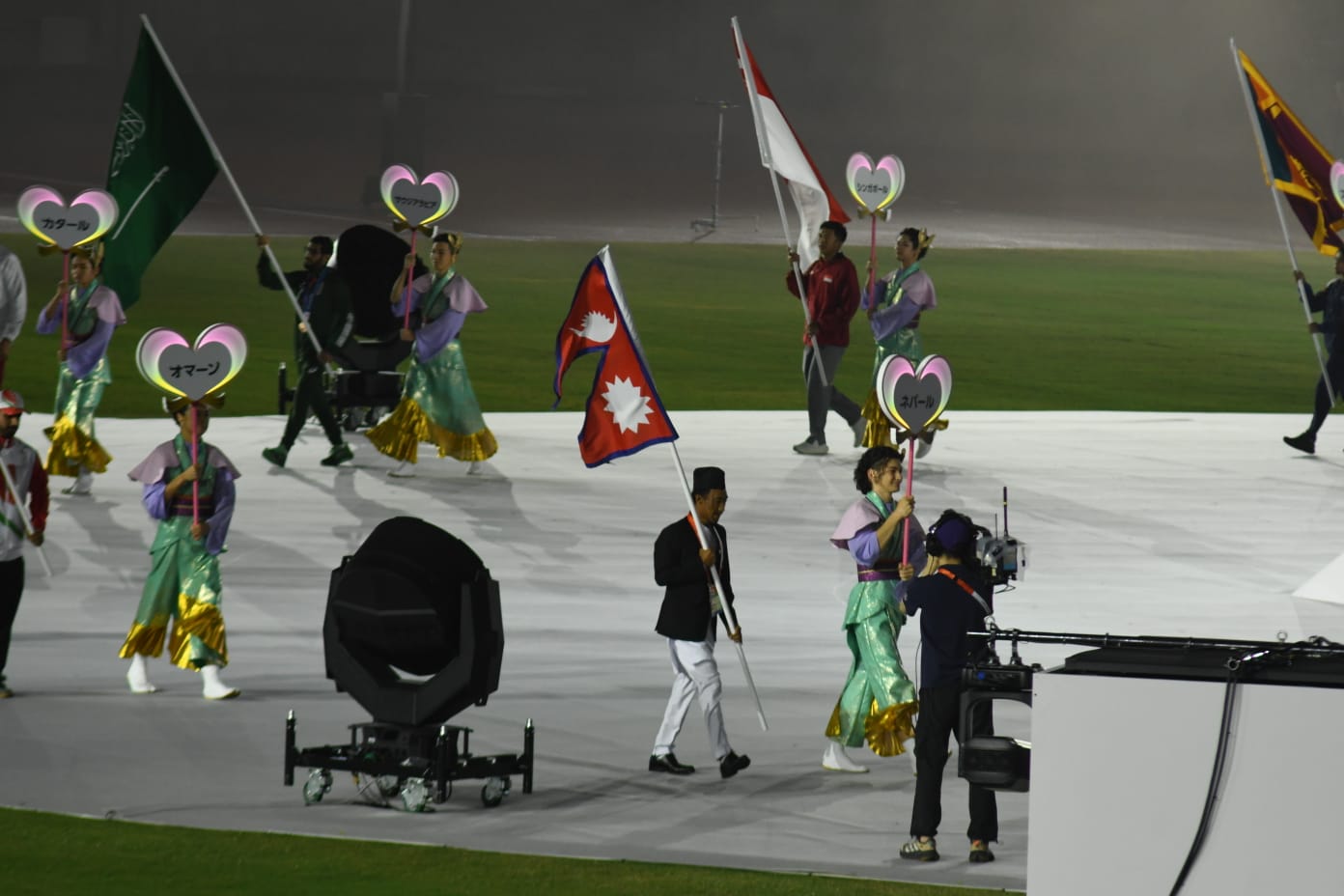
As the major athletes from Asia were celebrating, Nepal had a tough time in the games. From the final rankings you can see that Nepal came in 37th place. The country, which sent 135 athletes competing in 21 sports, earned only two bronze medals. The only medals obtained by Nepal were won by karate practitioner Tenzing Sherpa and the women's kabaddi team.
 The case of the heavy favourites is worrying. Both Erika Gurung of Karateka and all the members of the taekwondo and boxing teams were eliminated in the preliminary rounds. All that experience and preparation have led to bad outcomes. There is a obvious absence of international experience and scientific training. Anyone who keeps an eye on Nepali sports should consider how the sports sector functions and investigate where the preparation has failed.
In the South Asian region India performed without being caught. It won 21 gold medals and a total of 85 medals, which brought it to fourth place overall. Sri Lanka came in second in the region with three medals, one of which was a gold in the athletics event. Pakistan secured 10 medals in total, while Bangladesh just managed to earn one bronze in Wushu. Bhutan and the Maldives returned to their countries having obtained no medals at all.
Away from the stadium, Nagoya tried out a new format for large-scale events. Instead of using the usual athlete village to save money, the organisers put the athletes up in hotels, cruise ships and temporary containers. There were early logistical problems, such as buses going to the wrong places and the North Korean anthem being played during a South Korean hockey game, which led to instant criticism. Nevertheless, OCA President Sheikh Joaan bin Hamad Al Thani supported the host city and lauded Japan for having come up with a sustainable model for the future.
The ceremonial flag is now being taken to the Middle East; at the closing ceremony held on Sunday at the Mizuho Park Athletic Stadium, the OCA passed the hosting responsibilities to Qatar, which will host the 21st Asian Games in 2030, this being the city's second time having welcomed the event after its successful 2006 campaign.