
By Sachit Subba • Off-Field • Sep 19, 2026 14:34 PM • 49 views
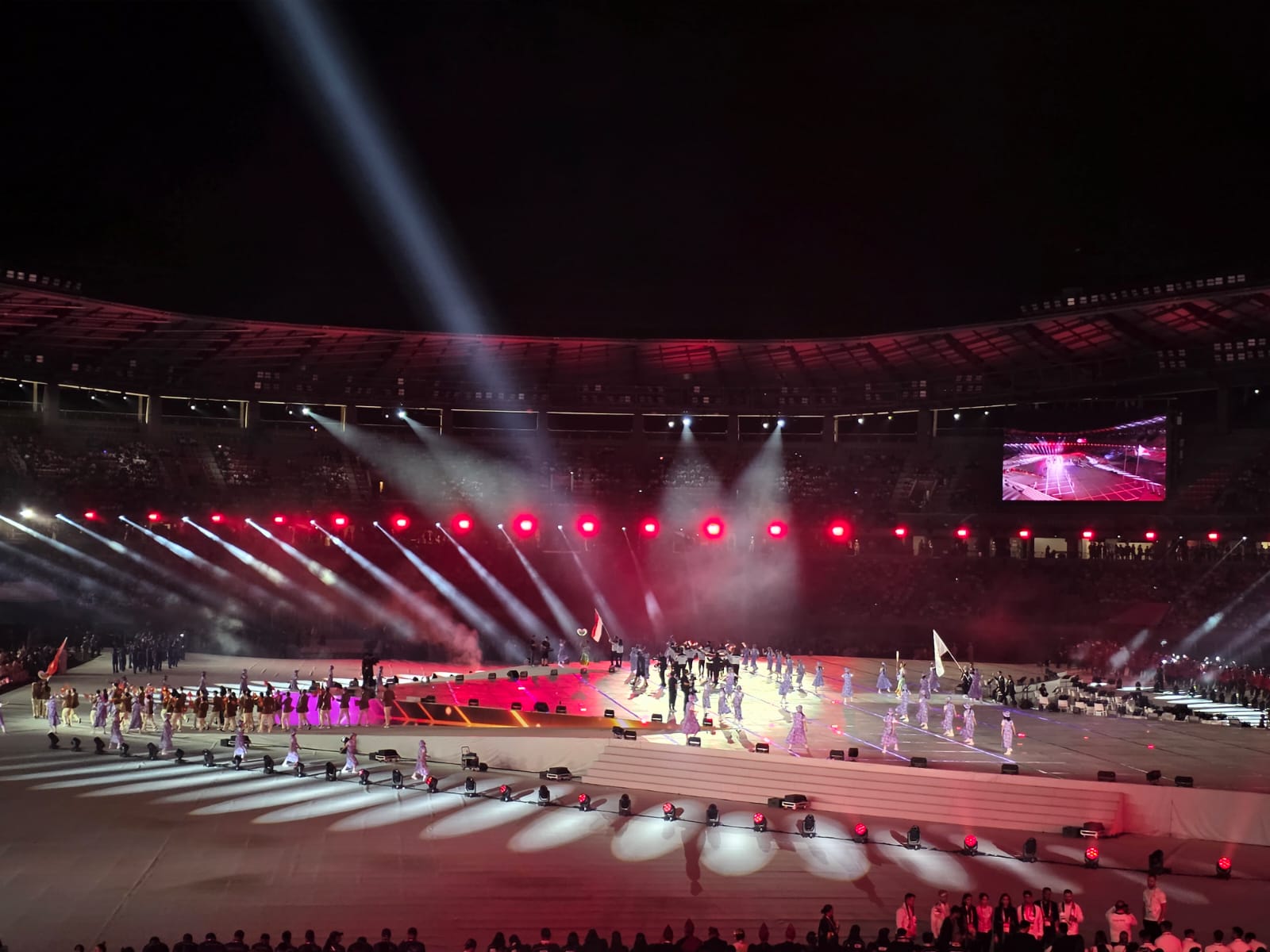
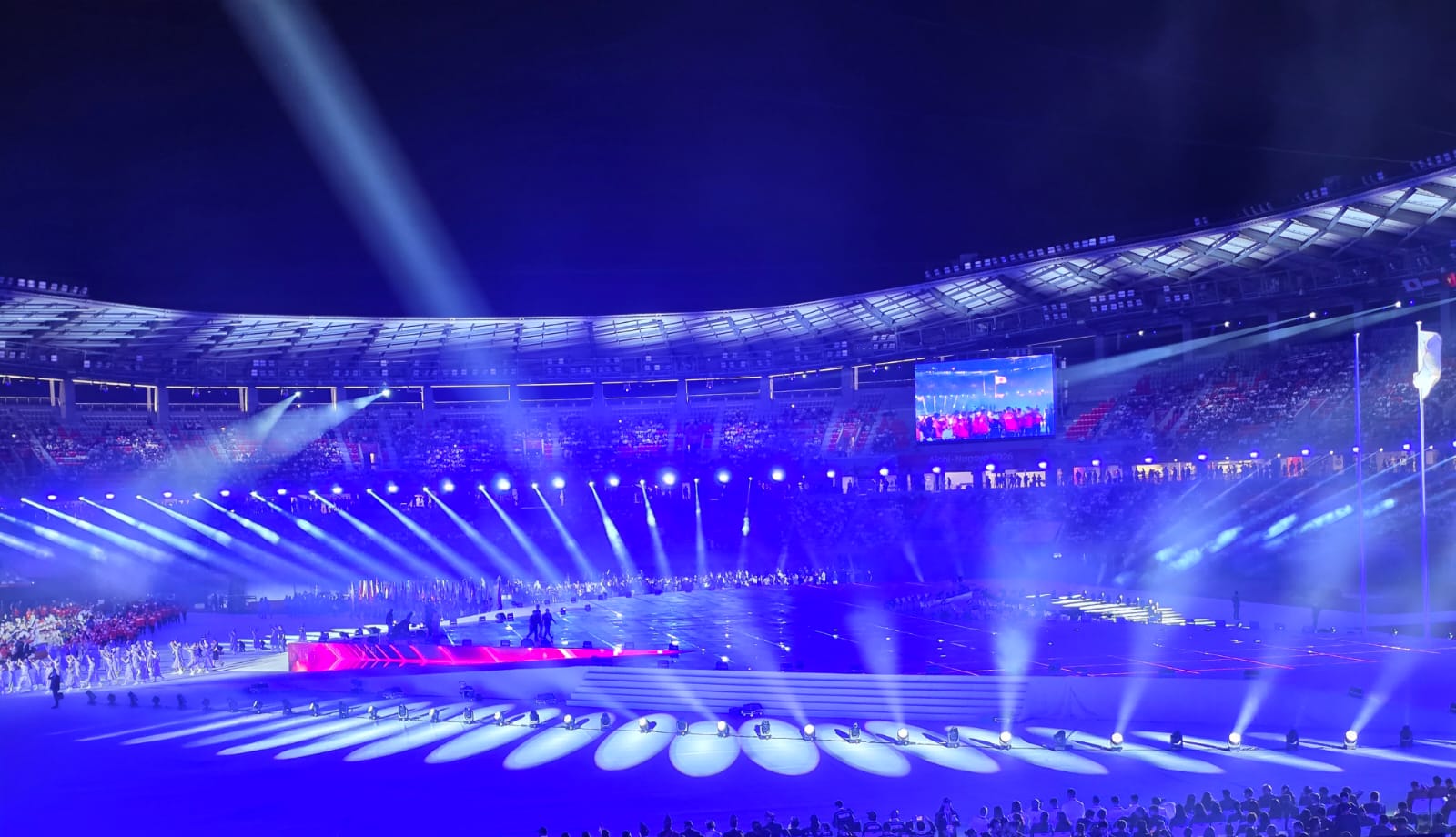
The 20th Asian Games opened on Saturday in Nagoya, with Emperor Naruhito officially declaring the event begun at the Mizuho Park Athletics Stadium. Thirty thousand spectators filled the stadium for the two-hour opening ceremony. The organising committee introduced "Harmonic Heartbeat" as the event's central theme to promote regional unity and built a large heart-shaped main stage to connect the athletes visually and physically throughout the performances.
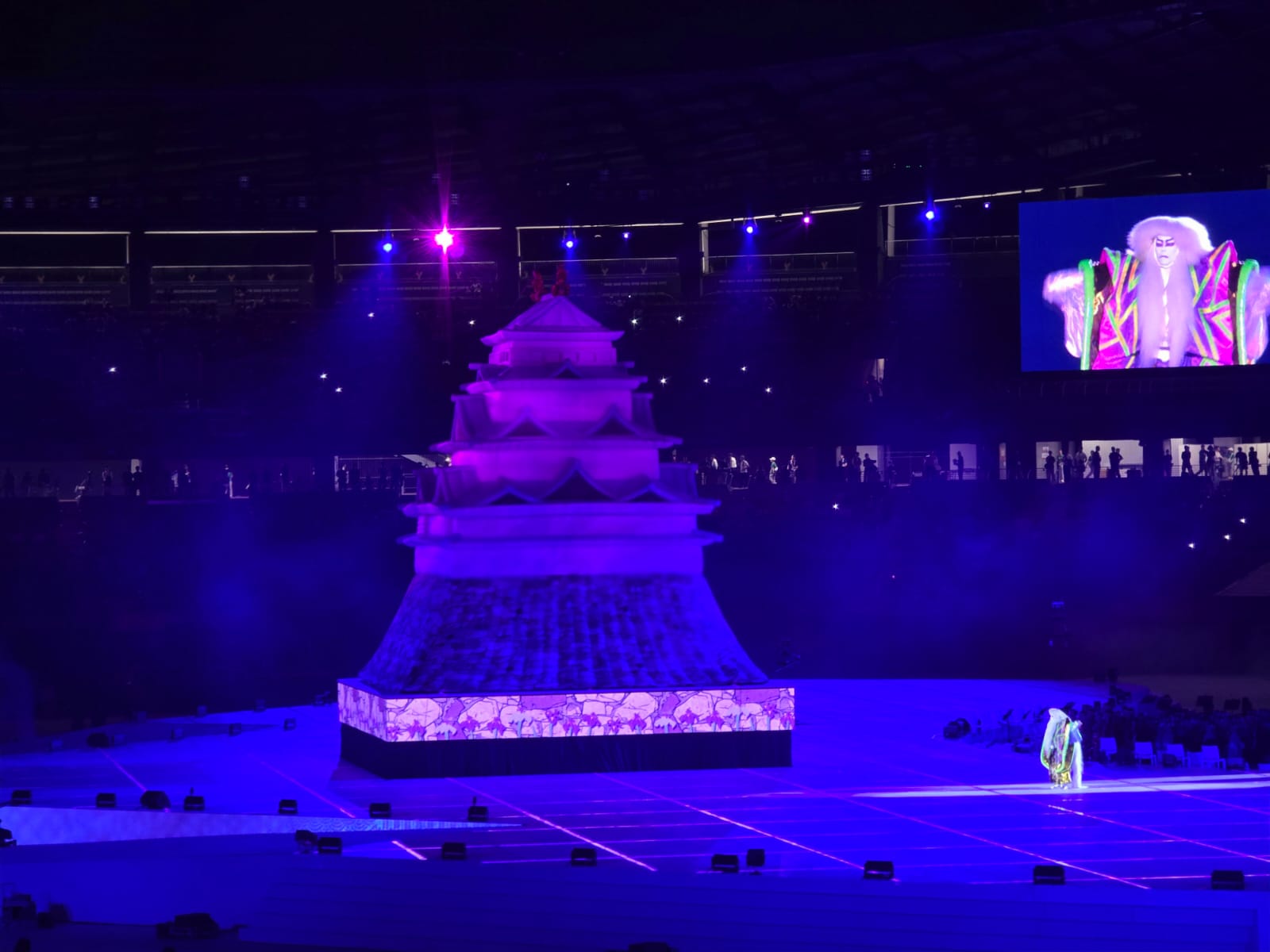
The performance clearly showcased the Aichi area's strong engineering influence. The production crew combined a large industrial robot arm with the conventional features of Kabuki theatre, and the mechanical arm lifted a flag during the live show. The accuracy demonstrated offers insight into Japan's modern industrial capabilities. Through this international broadcast, the host country firmly asserted its image as a centre of technological expertise.
 Akari Fujinami carried the Olympic flame into the stadium and passed it to several Japanese Olympic medalists. Koji Murofushi then took over the torch and lit the last stadium cauldron. The ceremony drew major international figures, including Empress Masako, the President of the Olympic Council of Asia, Sheikh Joaan bin Hamad Al Thani, and International Olympic Committee President Kirsty Coventry, who watched the cultural performances from the VIP section.
During the march past, athletes from all over the continent entered the field, with each team limited to 40 members. Nepal entered the stadium after Myanmar. Chandra Thapa, the boxer, and Manmati Bista, the kabaddi player, carried the Nepali national flag. Bishal Shrestha, the Chef de Mission, and Pawan Shahi, a member of the National Sports Council board, walked with the team, along with other sports council staff. Nepal is sending 135 athletes in 21 different sports at these Games. After the parade, former Olympic gold medallists raised the official flag of the Olympic Council of Asia. The athletes and the referees then took their official oaths, promising to observe strict discipline and play fairly throughout the tournament.
Because of the way the event was managed in the early stages, the organisers came under public criticism ahead of this weekend. The trouble-free ceremony has now shifted public attention back to the athletes and the sporting competition. In the weeks to come, Japan will draw on its considerable experience in organising events. The country previously hosted the Asian Games in Tokyo in 1958 and in Hiroshima in 1994. The Games are now proceeding with their full competition programmes.